What Is a Blockchain Block?
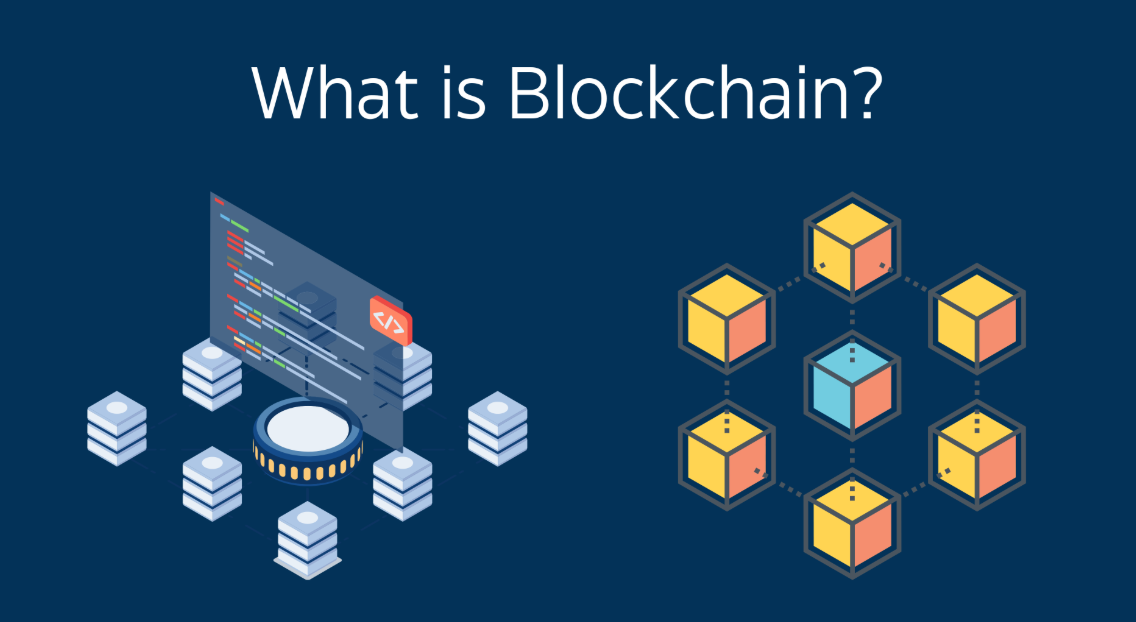
A blockchain block is a secure container for a set of transactions. It includes a unique hash, a timestamp, and a list of transactions organized for efficient verification. Each block links to the previous one, creating an immutable chain. The block’s validity depends on consensus, validation, and, in many systems, mining. This structure supports transparency and trust without central control, but the deeper mechanics and trade-offs invite further examination.
What Is a Blockchain Block and Why It Exists
A blockchain block is a data container that records a set of transactions and serves as a secure, verifiable unit within a blockchain. It exists to ensure integrity, order, and resilience beyond centralized control.
The design prioritizes computation efficiency and minimizes network latency, enabling scalable validation, predictable throughput, and autonomous trust in decentralized environments without sacrificing transparency or security.
Anatomy of a Block: Hashes, Timestamps, and Transactions
Block anatomy centers on three core elements: hashes, timestamps, and transactions. The discussion outlines block structure, transaction formatting, and hashing methods, emphasizing timestamp precision and header fields. Merkle trees organize transaction data, while block size limits govern capacity. Nonce usage, reward systems, and uncle blocks affect security and incentives; gas concepts reflect execution costs, reinforcing concise, transparent blockchain design for freedom-focused readers.
See also: What Is a Bitcoin ETF and How Does It Work?
How a Block Gets Added: Mining, Consensus, and Validation
Mining, consensus, and validation govern how a new block becomes part of the chain: miners compete to solve a cryptographic puzzle, validators verify proposals against network rules, and consensus mechanisms determine which block is appended.
The process aligns with mining incentives, ensuring timely participation, while cross chain interoperability enables secure interaction across ecosystems, maintaining integrity without compromising decentralization or transparency.
Blocks in the Chain: Linking, Immutability, and Security Implications
How do blocks secure the ledger once linked? They create a chained sequence where each block references prior state, preserving linking integrity. Immutability arises as cryptographic hashes bind blocks, making retroactive changes arduous.
Security considerations include consensus mechanisms, network scalability, and fault tolerance, which collectively deter tampering. The architecture harmonizes transparency with resilience, balancing openness and protection within decentralized systems.
Frequently Asked Questions
How Does a Block Differ From a Transaction?
A block aggregates transactions and secures them for replication, while a transaction is a single proposed change. The block directs consensus timing and ensures integrity through linking hashes, whereas a transaction awaits inclusion. Block replication governs network-wide synchronization.
What Happens if a Block Contains a Invalid Transaction?
If a block includes an invalid transaction, its block validity fails and the block is rejected during validation, preventing transaction inclusion in the chain; nodes discard it, preserving integrity, though forks or reorgs may briefly occur.
Can Blocks Exist Without Miners or Validators?
Blocks cannot exist without miners or validators, as consensus processes generate and verify them; in theory, a chain could stall, but practical networks rely on activity to approve, secure, and propagate blocks. This raises unrelated topic speculative linkages about autonomy.
How Long Can a Block Stay Unconfirmed?
A block can remain unconfirmed for variable durations, influenced by block propagation speed and network latency. Delays occur as nodes receive and validate data; longer propagation or high latency increases the time until confirmation, affecting overall network efficiency and reliability.
What Are Block Rewards and Fees?
Block rewards are issued to miners for adding a valid block, while transaction fees are paid by users to prioritize their transactions. Block rewards, combined with fees for mining, incentivize network security and confirm transactions efficiently.
Conclusion
Blocks serve as trusted containers for transactions, each anchored to the previous one to form a cohesive, verifiable chain. Through careful validation, mining, and consensus, they accumulate a reputation of integrity while enabling resilience and transparency. In this architecture, risk is managed by redundancy and cryptographic proof, not by centralized guardrails. The result is a disciplined progression of data, where order and verifiability quietly reinforce security, much like footsteps leaving a traceable, unalterable map.